
Marketing
Scale Modeling
A scale model of an architectural interior is a miniature, three-dimensional representation of a room or indoor space that faithfully reproduces the proportions, design, and details of the final design.
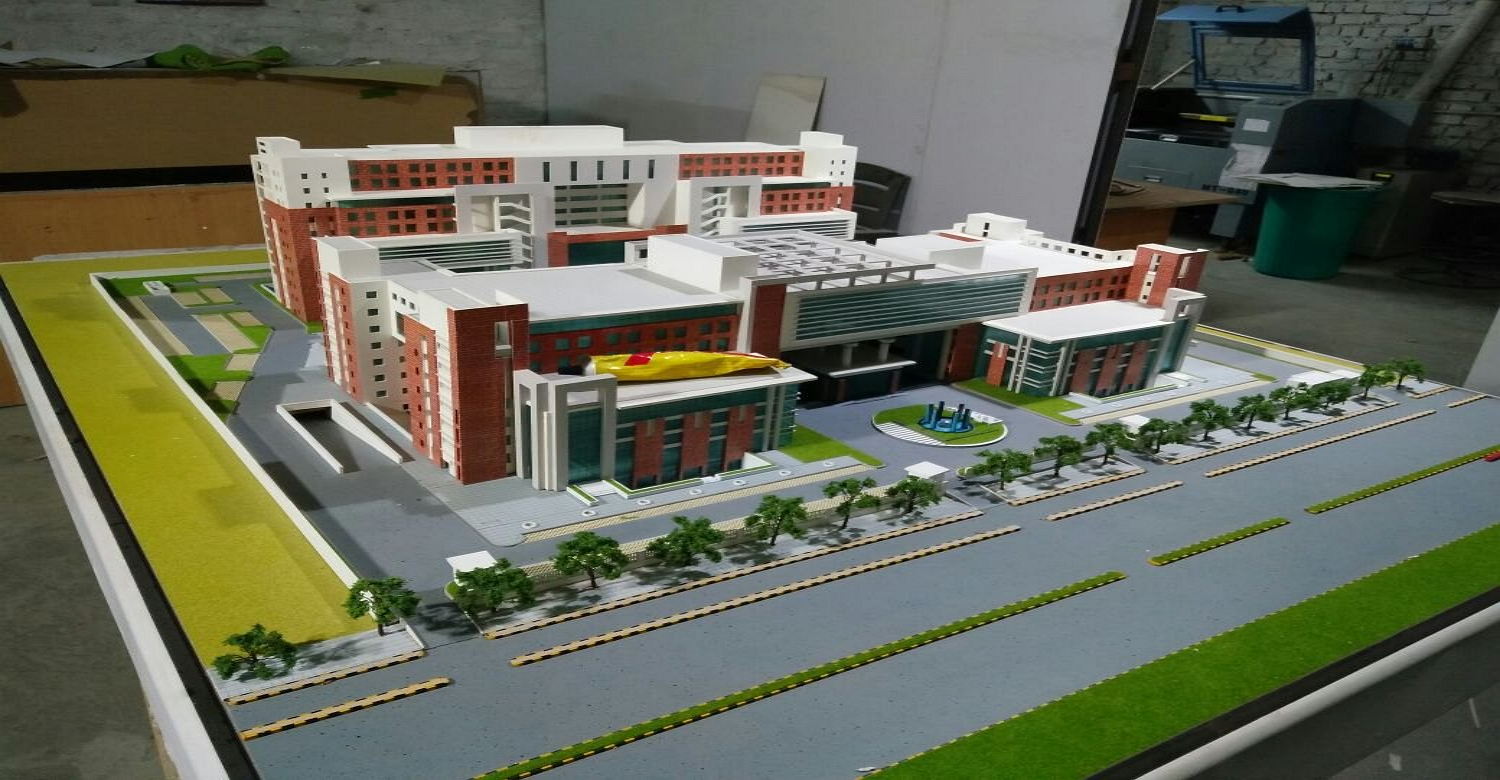
A scale model of an architectural interior is a miniature, three-dimensional representation of a room or indoor space that faithfully reproduces the proportions, design, and details of the final design. It is an invaluable tool for both designers and clients, bridging the gap between abstract two-dimensional blueprints and the tangible, finished space.
Uses and benefits of interior scale models
- Enhanced visualization: Models provide a realistic, tangible way to see and understand how a space will look and feel, including its volume, proportions, and overall aesthetic. This is often more effective than traditional 2D drawings or digital renderings.
- Effective communication: They serve as a universal language for architects, interior designers, clients, and contractors, ensuring everyone has the same clear vision for the project.
- Design evaluation and refinement: Designers can use models to test different layouts, furniture arrangements, lighting schemes, and material finishes before construction begins. This process helps detect and correct potential flaws or issues early, saving time and money.
- Increased client engagement: A physical model allows clients to literally get a hands-on experience of the space. This personal interaction strengthens their connection to the project and can increase satisfaction with the final outcome.
- Presentation and marketing: For real estate and commercial projects, highly detailed interior models can be powerful marketing tools that impress clients and potential investors. For example, a model of a new apartment can showcase its features to prospective buyers.
- 1:50 or 1:20: Used for detailed room layouts and interior spaces, allowing for finer details like furniture and fixtures.
- 1:100: Often used for showing floor plans and overall layouts of homes or apartments.
- Traditional construction: Materials such as foam board, cardboard, wood, and acrylic sheets are cut and assembled to form the basic structure.
- Advanced technology: Many modern model makers, including those in Delhi NCR, use laser cutting and 3D printing for higher precision and more intricate details.
- Detailed finishing: Miniature furniture, fabrics, and textures are added to replicate the intended finishes. Lighting systems can also be integrated to demonstrate the final ambiance.